





Brace yourself, because Spanish real estate terminology looks innocent until it quietly ruins someone’s purchase plans. Words here don’t just describe style, they come with legal baggage. So here’s a proper, actually useful guide to property types in Spain, with the details people usually learn the hard way.
Types of Properties in Spain: Your Ultimate Guide
Buying property in Spain isn’t just about choosing something pretty with a terrace and imagining your life with sangria at sunset. The type and classification of a property directly affect legality, usage, rental potential, and resale value.
Let’s break it down properly.
Apartments (Pisos)
The most common property type, especially in cities and coastal areas.
• Piso (Apartment)
A standard apartment in a residential building. Usually part of a community (comunidad), meaning shared costs for maintenance, pool, elevators, etc.
✔ Easier to rent
✔ Good resale demand
✔ Lower maintenance than houses
• Apartamento
Often used for holiday-style apartments, especially near the coast. Same concept as a piso, just… more beach vibes in the marketing.
• Estudio (Studio)
A compact open-plan space with a bathroom.
✔ Budget-friendly
✔ Popular for rentals
✖ Not ideal if you enjoy having doors between your bed and your kitchen
• Ático (Penthouse)
Top-floor apartment, usually with a large terrace or solarium.
✔ Better views, more privacy
✔ High demand
✖ Higher price and sometimes hotter in summer
• Dúplex (Duplex Apartment)
A two-level apartment within a building.
✔ Feels more like a house
✔ Good separation of living/sleeping areas
Townhouses & Attached Homes
A middle ground between apartments and villas.
• Casa Adosada (Townhouse)
Attached on both sides, typically in urbanisations.
✔ More space than apartments
✔ Lower cost than villas
✖ Shared walls (yes, you will hear your neighbors occasionally)
• Casa Pareada (Semi-Detached)
Attached on one side only.
✔ More privacy than a townhouse
✔ Often includes garden
• Triplex
A three-level attached property.
✔ Lots of space
✔ Feels like a full house
Detached Houses & Villas
Now we’re talking about space, privacy… and higher budgets.
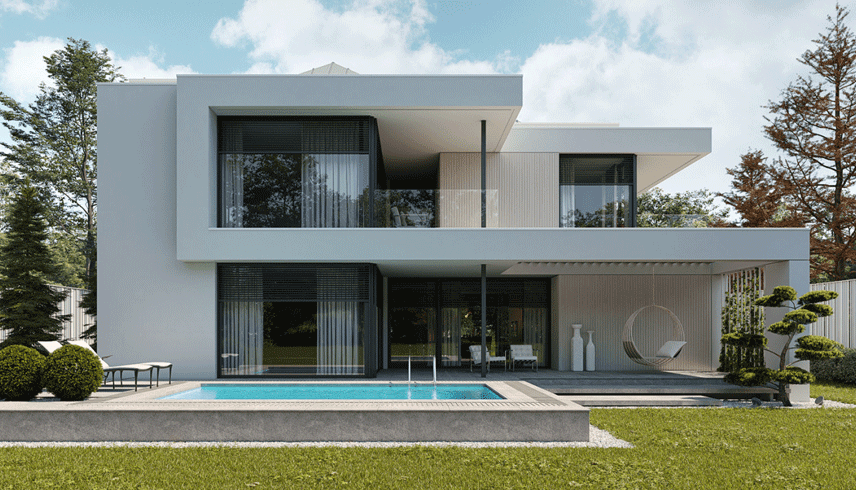
• Chalet / Villa
In coastal areas, these terms are often interchangeable.
Typically includes:
✔ Private plot
✔ Garden
✔ Swimming pool (very common)
“Villa” is often used to emphasize luxury, larger plots, and premium features.
• Casa Independiente
A fully detached house. No shared walls, no compromises.
✔ Maximum privacy
✔ Ideal for families or long-term living
Rural & Traditional Properties
Beautiful, charming… and legally complicated if you’re not careful.
• Finca
A country property, often on rustic land. May include farmland.
⚠ Urban planning rules can be complex
⚠ Not always possible to renovate or extend
• Cortijo
Traditional rural farmhouse (common in southern Spain).
• Masía
Stone farmhouse, typical in inland areas of Valencia/Catalonia.
• Casa Rural
Country house often used for rural tourism rentals.
Urban Building Variations
• Bajo (Ground Floor Apartment)
Ground-level unit, sometimes with a patio.
• Bajo con Jardín
Ground floor with private garden.
✔ Very popular with families and pet owners
• Loft
Industrial-style open space. Less common in Spain than in other countries.
Resort & Coastal Property Types
Especially relevant in areas like Costa Blanca.
• Bungalow (Spanish Meaning)
This confuses everyone.
In Spain, a “bungalow” usually means:
✔ Ground-floor apartment with terrace OR
✔ Upper-floor apartment with private solarium
So yes, it’s often legally still an apartment, not a standalone house.
• Urbanización
A property within a residential complex with:
✔ Shared pool
✔ Private streets
✔ Community fees
New Build Categories
• Obra Nueva
New construction, often sold off-plan.
✔ Modern design
✔ Payment stages during construction
• Llave en Mano (“Key Ready”)
Ready-to-move-in property.
✔ No waiting
✔ What you see is what you get
Commercial Properties
• Oficina – Office space
• Nave Industrial – Warehouse/industrial building
• Edificio Completo – Entire building (usually for investment)
Land Types (Where Things Get Serious)
This is where buyers either look smart or regret everything later.
• Solar Urbano
Urban land, fully approved for construction. ✔ Safe
• Terreno Urbanizable
Land that may become urban, but not yet guaranteed. ⚠ Risk
• Terreno Rústico
Rural land with very strict building regulations. ⚠ High risk if misunderstood
Special Legal Classifications
• Vivienda de Protección Oficial (VPO)
Subsidized housing with price restrictions and resale limitations.
• Vivienda Turística
Property legally registered for short-term rentals.
✔ Essential if you plan Airbnb-style income
• Vivienda Unifamiliar
Single-family home (detached or semi-detached).
⚠️ What Most Foreign Buyers Get Wrong
Here’s the part that quietly saves you money and stress.
In Spain, classification matters more than appearance.
- A stunning villa on rustic land ≠ same legal security as an urban villa
- A ground-floor apartment may have rental restrictions from the community
- A “bungalow” might legally be just an apartment
- Not all properties have the correct habitation license
✔️ What Should Always Be Checked
A proper real estate advisor should verify:
- Land classification
- Habitation license
- Community statutes
- Rental permissions
Skipping this is how people end up owning something they can’t legally rent, renovate, or even use the way they planned.
🧭 Final Thought
Spain offers an incredible variety of properties, from beachfront apartments to countryside fincas. The trick is not just finding something beautiful, but finding something legally sound and aligned with your goals.
Because a dream home is great.
A dream home you can actually use, rent, and resell without drama is even better.
